What comes first, the preapproval or the open house?
͏‌ ͏‌ ͏‌ ͏‌ ͏‌ ͏‌ ͏‌ ͏‌ ͏‌ ͏‌ ͏‌ ͏‌ ͏‌ ͏‌ ͏‌ ͏‌ ͏‌ ͏‌ ͏‌ ͏‌ ͏‌ ͏‌ ͏‌ ͏‌ ͏‌ ͏‌ ͏‌ ͏‌ ͏‌ ͏‌ ͏‌ ͏‌ ͏‌ ͏‌ ͏‌ ͏‌ ͏‌ ͏‌ ͏‌ ͏‌ ͏‌ ͏‌ ͏‌ ͏‌ ͏‌ ͏‌ ͏‌ ͏‌ ͏‌ ͏‌ ͏‌ ͏‌ ͏‌ ͏‌ ͏‌ ͏‌ ͏‌ ͏‌ ͏‌ ͏‌ ͏‌ ͏‌ ͏‌ ͏‌ ͏‌ ͏‌ ͏‌ ͏‌ ͏‌ ͏‌ ͏‌ ͏‌ ͏‌ ͏‌ ͏‌ ͏‌ ͏‌ ͏‌ ͏‌ ͏‌ ͏‌ ͏‌ ͏‌ ͏‌ ͏‌ ͏‌ ͏‌ ͏‌ ͏‌ ͏‌ ͏‌ ͏‌ ͏‌ ͏‌ ͏‌ ͏‌ ͏‌ ͏‌ ͏‌ ͏‌ ͏‌ ͏‌ ͏‌ ͏‌ ͏‌ ͏‌ ͏‌ ͏‌ ͏‌ ͏‌ ͏‌ ͏‌ ͏‌ ͏‌ 
No images? Click here
November 14, 2026 • Issue #261
Money Moves

This week, we're discussing how the recent decline in mortgage rates may not improve affordability. Plus, Bianca answers another common question buyers and sellers ask a real estate agent. 

Careful what you wish for
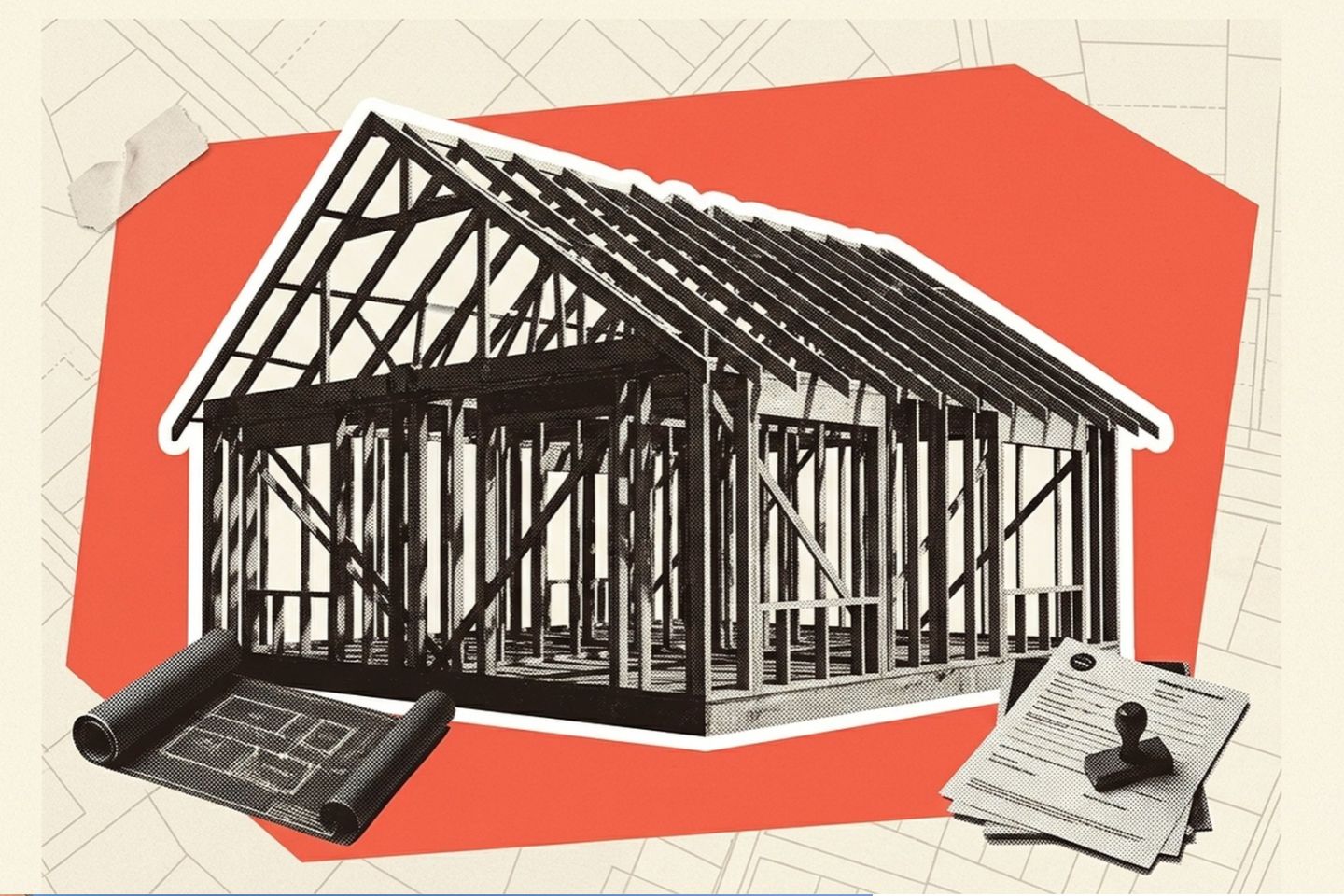
House under construction
Money; illustration AI-generated with Gemini

Mortgage rates are trending downward. Freddie Mac's benchmark rate for a 30-year loan has fallen from an average of 7.40% to 7.11% over the past month. 

That may sound like good news for buyers who haven't been able to afford a home. And it is a positive step: Lower rates reduce borrowing costs and help bring homeownership back within reach. But there's also a big downside.

I recently spoke with Frank Cassidy, who served as Federal Housing Administration commissioner from January to June this year, and he told me that focusing solely on lower interest rates isn't the solution to the lack of affordability currently plaguing homebuyers. In his words, "it's not a long-term fix."

Why? Because we still lack enough homes for sale to meet pent-up buyer demand, despite the recent supply improvement. That means the market imbalance will only worsen if more homes aren't brought to market.

How can it get worse, you ask? We could see a dynamic similar to what occurred during the pandemic. Rates dropped below 3% in June 2020, significantly lowering monthly payments and increasing buying power: People could afford more expensive homes, and buyers rushed to take advantage of the opportunity. But then there weren't enough homes for sale to meet that demand, which led to bidding wars and soaring home prices.

Those conditions could repeat if rates drop quickly and significantly. Some homeowners who feel locked into their homes by their low rates could decide to sell and upgrade, but it's unlikely the number of homes brought to market this way will meet that demand.

In cities where supply is already limited, Cassidy estimates home prices could rise by as much as 20%. However, he cautions that other cities that have seen a significant increase in supply would see minimal changes.

New-construction homes could help because they add inventory even if homeowners don't sell, but they take a long time to build. Permitting processes, zoning restrictions and even finding enough land to build on are among the obstacles to bringing more homes to market at a faster rate.

The solution, according to Cassidy, is to make it easier for builders by having federal and local governments work together to cut the red tape that adds time and money to the building process.

"Lower interest rates may bring buyers back into the market," Cassidy says. "They won't magically create the millions of homes that we're missing."

Money Move of the Week
Small house on top of a stack of cash

Your home equity could help cover life's bigger expenses

From home renovations to consolidating high-interest debt, the equity you've built in your home could provide some financial flexibility. A home equity line of credit, or HELOC, lets you borrow what you need, when you need it, up to your approved limit — without refinancing your existing mortgage.

Answer a few quick questions to find HELOC lenders that may be right for you.

ADVERTISEMENT

Ask An Expert: Bianca D’Alessio
Bianca
AskBianca

Q: What's the first step in the homebuying process, getting a mortgage preapproval or touring homes?

A: I always recommend getting preapproved before you start touring homes.

I understand the excitement of looking at properties, but nothing is more frustrating than falling in love with a home only to find out you can't afford it.

A mortgage preapproval gives you a much clearer understanding of how much a lender may be willing to lend you based on your income, assets, debts and credit history. More importantly, it helps you build a realistic budget.

And just because a lender approves you for a certain amount doesn't necessarily mean you should spend that much. You need to consider your monthly mortgage payment, property taxes, insurance, maintenance, utilities and the lifestyle you want to maintain after purchasing.

Once you understand your financing, you can begin looking at homes with confidence. You'll also be in a stronger position when you find the right property because sellers generally take offers from financially prepared buyers more seriously.

You can certainly attend open houses while you're exploring neighborhoods and learning about the market, but before you start making offers, get your financing in order.

Bianca D’Alessio is the CEO and founder of The Masters Division, a top-performing team at Nest Seekers International; she currently manages a $10 billion+ real estate portfolio. Each week, she’ll answer readers’ questions about everything in real estate. You can send her your questions to leslie@money.com or post them on Instagram and tag @BiancaDAlessio.

More from Money
SHOPPING
Shopping around can help you find bargains on gifts for that special someone. But sometimes trying to find the best deal means you might fall for a holiday scam.
Money; illustration AI-generated with Gemini

RETIREMENT
If you leave your job after you turn 55, you can withdraw money from your 401(k) without the 10% penalty. Rolling it into an IRA, on the other hand, could be a big mistake.
Getty Images

SOCIAL SECURITY
Social Security's main retirement trust fund is on track to take a big hit this year. Payroll taxes, the program's other main funding source, aren't enough to cover payments.
Money

’Til next time,

Leslie

P.S. Have you seen a unique listing on social media I should feature in this newsletter? Or have a question about housing or mortgages you want answered? Let me know on X (formerly known as Twitter) at @LeslieLCook or via email at leslie@money.com.

Also, if you know someone looking for a home (or who just loves real estate), please forward this email or send them to the Money Moves subscription page.

Money’s Essential Home Buying Resources: Fall

On the hunt? Check out Money’s mortgage calculator, see our list of the best mortgage lenders and check out the latest mortgage rates.

Thinking of refinancing? Our list of the best mortgage refinance companies can help. You can also use our mortgage refinance calculator or these refi tips.

Key question: How much house can I afford?

Facebook
Twitter
Instagram
Youtube
LinkedIn
TikTok
Threads
This newsletter is free because Money earns a commission when you click or make purchases from the links in this email and on our site. We also receive compensation for some of the products and services featured in this message. Offers may be subject to change without notice. Learn more about how we make money.

Privacy Policy • Advertise With Us • We're Hiring!

To stop receiving these emails, unsubscribe or manage your email preferences.

Copyright ©2026 Money Group, LLC. All rights reserved.

Metro Office Park Calle 1, Building 7 Suite 204, Guaynabo, Puerto Rico 00968, USA